“Successful treatment of sleep apnea starts with a clear diagnosis and a therapy that matches the cause. Whether aids or surgical procedures, the key is to consistently nighttime breathing pauses in order to improve health, performance, and quality of life in the long term.”
One in three people in Switzerland suffers from sleep problems—often triggered by undetected sleep apnea. That is tricky, because the condition doesn’t only come with persistent daytime fatigue, constant waking at night, and loud snoring. Over the long term, it also increases the risk of cardiovascular disease, metabolic problems, and psychological strain. So what should you do if you notice symptoms of sleep apnea? In any case: seek medical advice. A first step is a conversation with us—your sleep experts. We are in direct contact with qualified cooperation partners who specialize in the therapy and cure of sleep apnea.
Treating sleep apnea with aids
Various options are available today for sleep apnea therapy. Lifestyle adjustments are a first step. Using aids is the next. And if aids are not suitable, surgery can enable long-term cure.
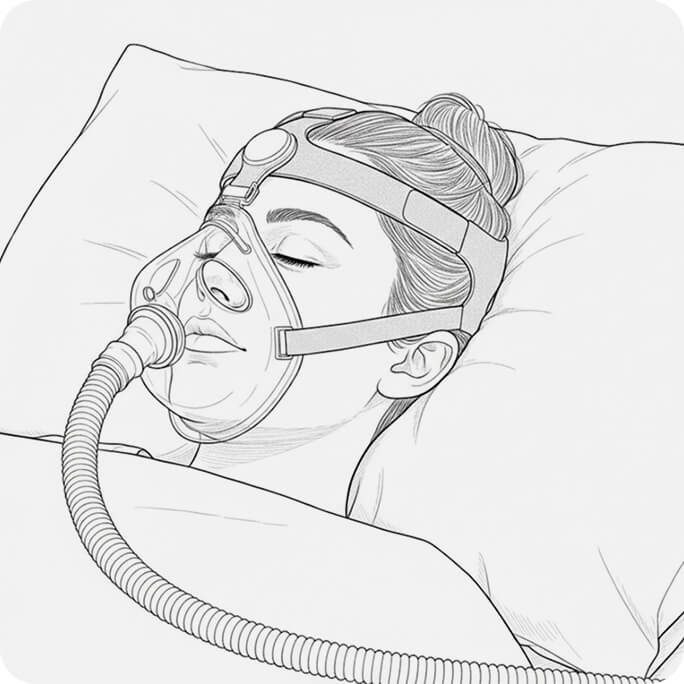
Among these aids are solutions designed to stabilize nighttime breathing and prevent breathing pauses. Most commonly, a sleep apnea device (the CPAP device) is used. It creates gentle positive pressure during sleep and keeps the upper airways open. Depending on severity and individual anatomical conditions, another sleep apnea device may also be appropriate. The goal of all aids is to keep blood oxygen levels stable, reduce snoring, and enable restorative, uninterrupted sleep. In the following sections, we present the individual aids and treatment options in detail.
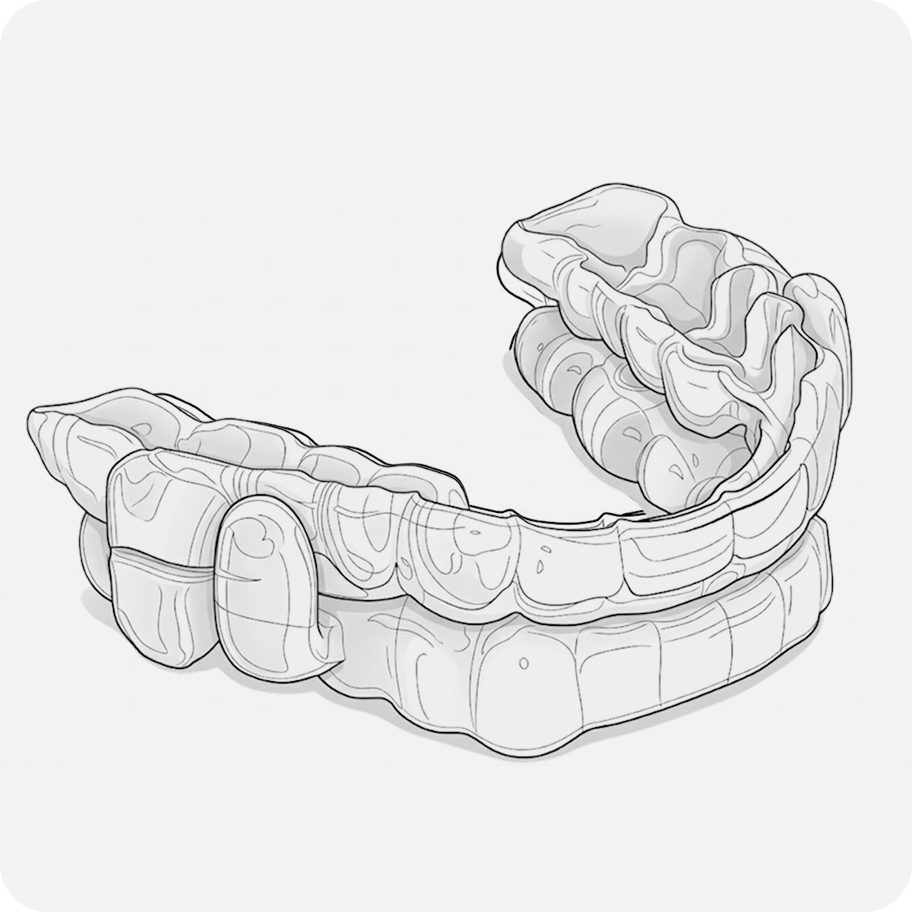
Snoring splint or mandibular advancement splint (MAS)
A MAS moves the lower jaw forward during sleep—a possible solution for sleep apnea.
Professor Hoffmeister, former director of the Charité hospital in Berlin
Prof. Hoffmeister, former director of maxillofacial surgery at Charité University Medicine Berlin, reports on his experiences with the rotation-advantage method according to Professor Sailer for the permanent cure of sleep apnea.
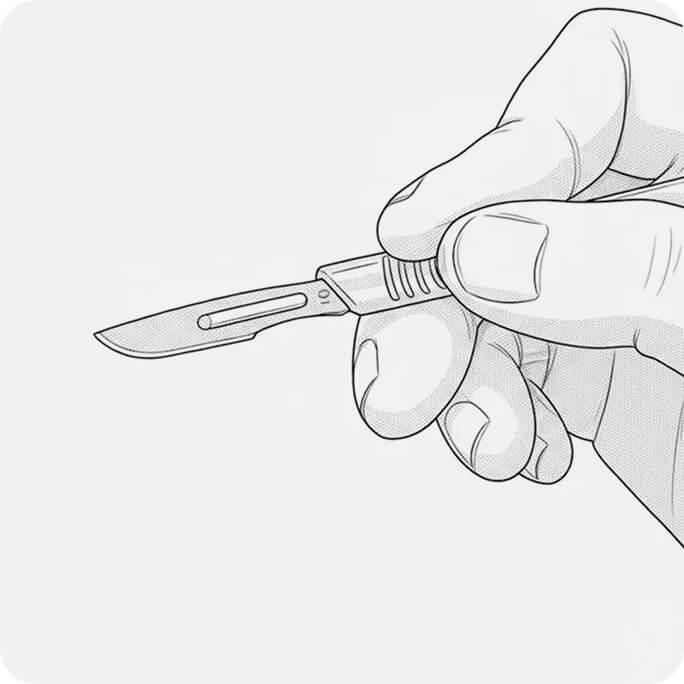
For patients who do not want to wear a CPAP mask and would also prefer to avoid aids altogether, surgical therapy for sleep apnea is a promising option. In one of the most modern “anti-snoring surgeries,” the “Bimaxillary Rotational Advancement” technique, the upper and lower jaw are repositioned so that the tongue, palate, and palatal arches shift forward. This sustainably widens the airways, nighttime breathing pauses and snoring can disappear permanently.
This form of sleep apnea surgery has been performed successfully by our cooperation partners for many years and is supported by sleep lab examinations as well as scientific studies. Many affected people report significantly more restorative sleep, increased daytime energy, and improved ability to concentrate after the procedure. Perhaps this therapy could be right for you as well? Feel free to speak with us about it.