Sleep apnea symptoms and their impact
“Sleep apnea symptoms often develop gradually and remain unnoticed for a long time. Yet the nighttime breathing pauses act like constant stress on the body and can promote numerous secondary conditions. Those who recognize typical warning signs and seek treatment early can avoid serious health consequences.”
Sleep apnea is more than just snoring
Everyone knows snoring. But have you ever heard of sleep apnea? This condition is characterized by loud snoring, but it is far more than that. It is a serious and sometimes life-threatening phenomenon. Early signs include loud, irregular snoring and nighttime breathing stoppages (breathing pauses, apnea). These pauses lead to repeated oxygen deprivation in the body, often unnoticed and over many years. The consequences can be severe: sleep apnea is considered a risk factor for strokes. Cardiovascular disease, high blood pressure, diabetes, or depression are among the most common associated conditions. This makes it all the more important to recognize warning signs early and have them medically assessed, especially when risk factors and causes such as overweight, increased alcohol consumption, or older age are present.

Symptoms and consequences of sleep apnea
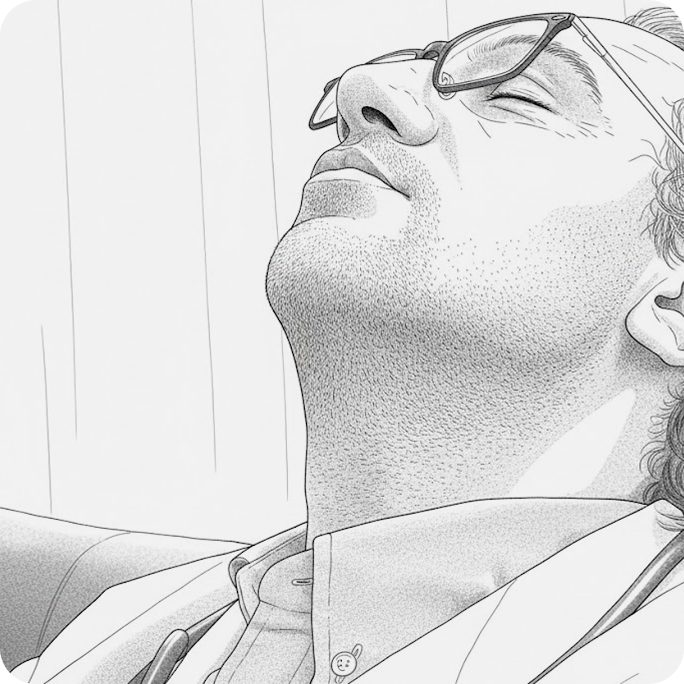
Typical of sleep apnea are loud, irregular snoring, breathing pauses during sleep, and pronounced daytime sleepiness. The latter is a clear clue for many people who don’t have a partner beside them to point out their nighttime sawing. Untreated, sleep apnea has serious consequences for health. Chronic oxygen deficiency and constant arousal reactions significantly increase the risk of cardiovascular diseases such as high blood pressure, heart attack, and stroke. In addition, it promotes the development of diabetes, metabolic disorders, and cardiac arrhythmias. Accident risk in road traffic and at work is also considerably higher due to severe daytime sleepiness.
Do you feel exhausted despite getting enough sleep, have concentration problems, or struggle with microsleep episodes in everyday life? Then you may be suffering from sleep apnea.
Microsleep
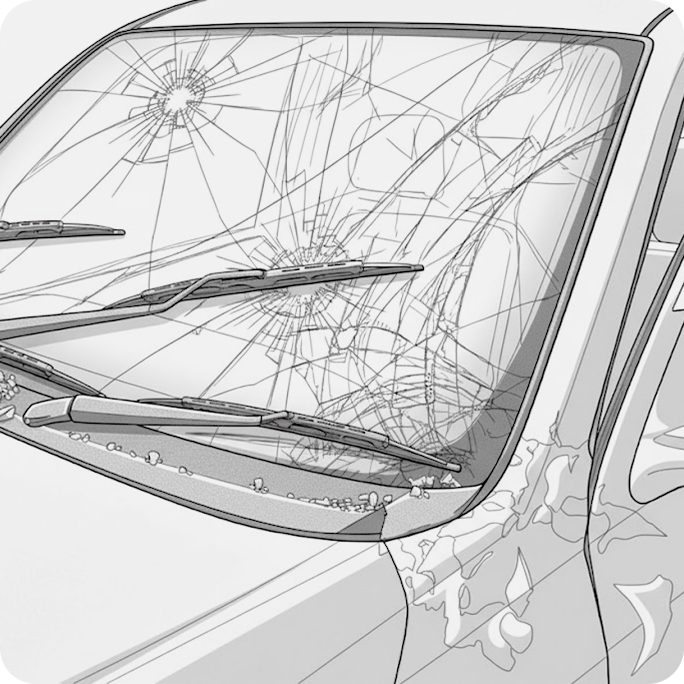
Uncontrolled moments of falling asleep during the day are among the most dangerous consequences of sleep apnea.
Comorbid symptoms of sleep apnea
Night sweats, dry mouth upon waking, and morning headaches can indicate sleep apnea.
High blood pressure
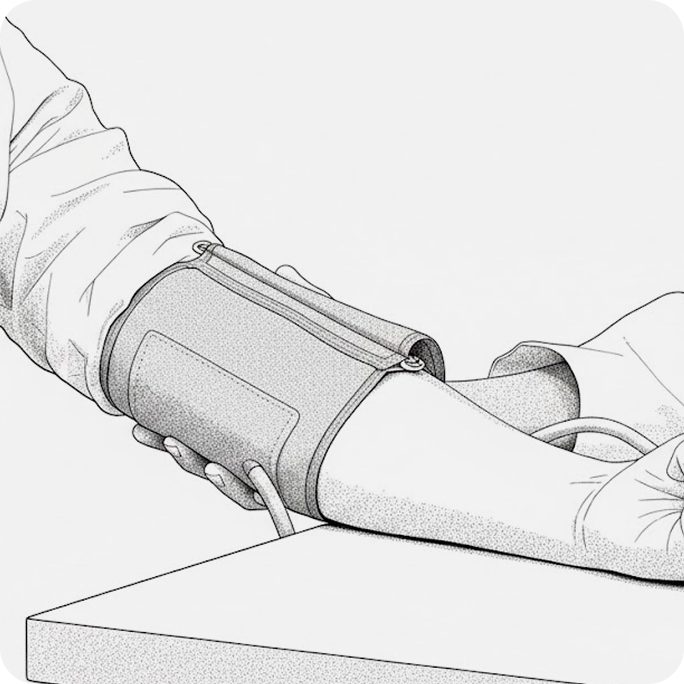
Sleep apnea can trigger high blood pressure. How that happens is explained here.
Heart attack and stroke
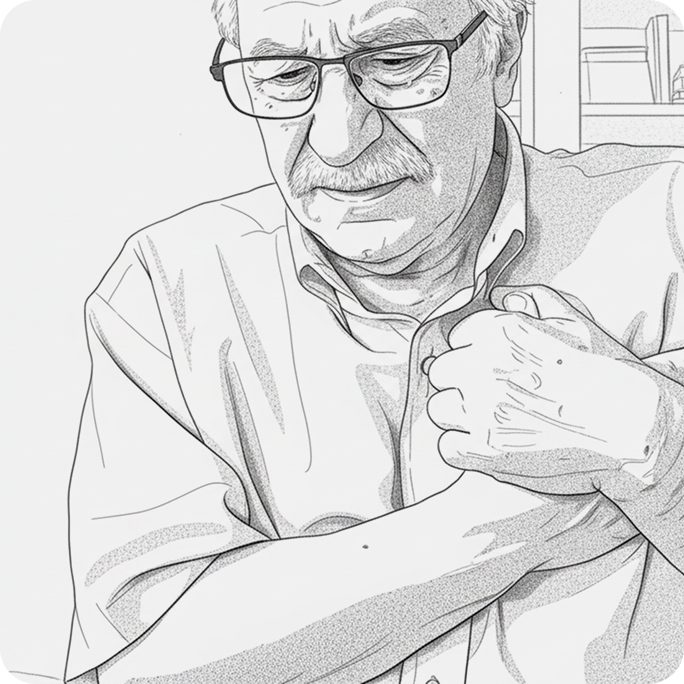
Sleep apnea increases the risk of cardiovascular disease, with life-threatening consequences.
Diabetes
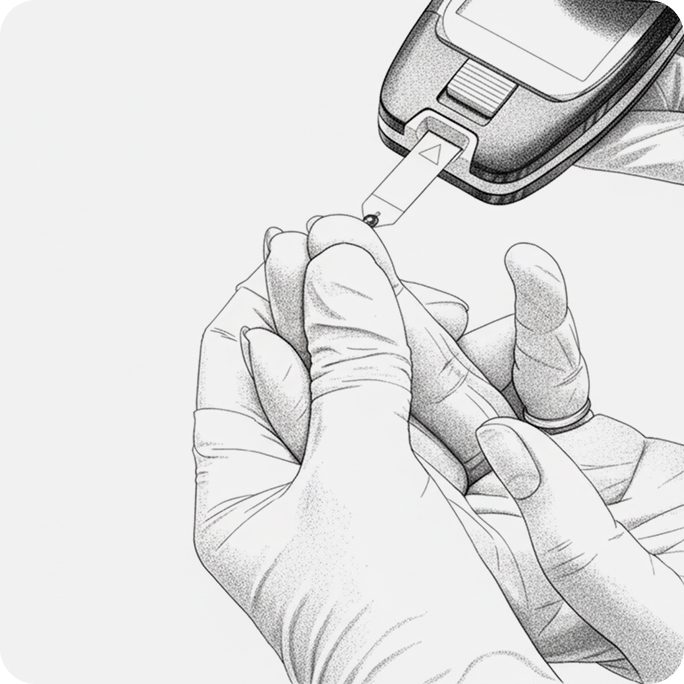
Sleep apnea can increase the risk of type 2 diabetes, regardless of body weight.
Depression
Many people with sleep apnea develop depression. What to do then is explained here.
Sleep apnea symptoms in women
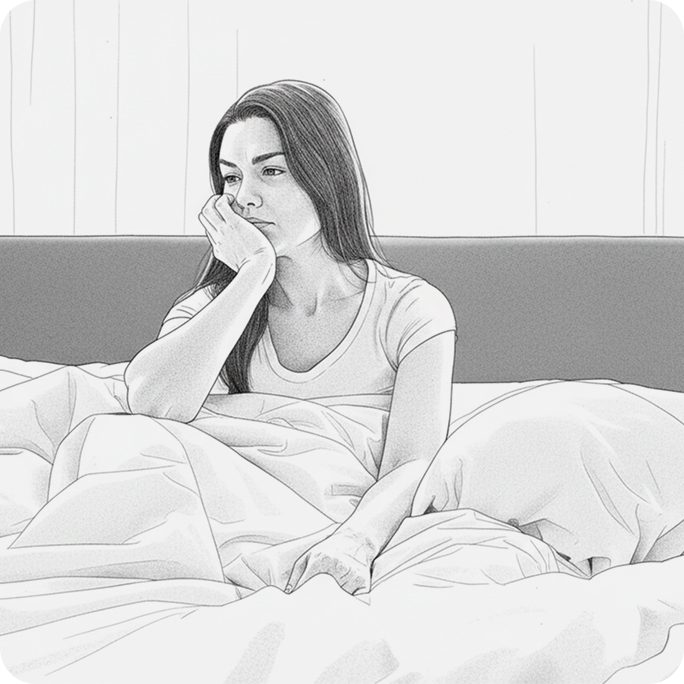
In women, sleep apnea often appears less obvious than in men. Instead of loud snoring, non-specific complaints are frequently in the foreground—such as persistent fatigue, depressive moods, sleep disturbances, morning headaches, or concentration problems.
Especially during menopause, the risk rises significantly.
Because symptoms are easily misinterpreted, the condition often remains undetected in women for a long time. If sleep apnea is suspected, a targeted medical evaluation is strongly recommended. Because: an early diagnosis protects against long-term health consequences.